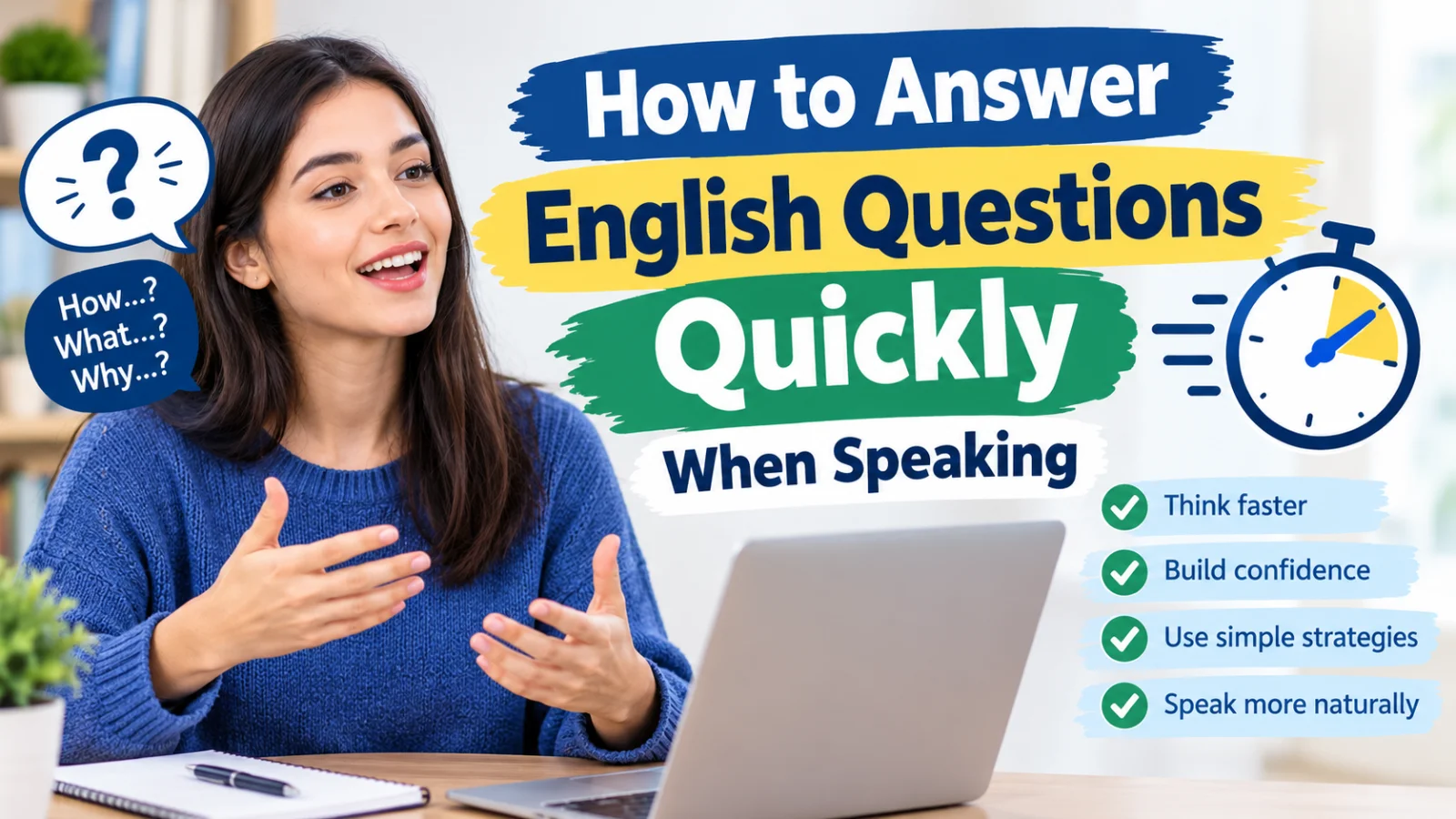
How to Answer English Questions Quickly When Speaking?
Learn how to answer English questions more quickly without rushing, including response frameworks, retrieval drills, follow-up practice, and a short routine for building faster spoken responses.
Practical guides on writing to a word count, speaking time, keyword density, readability and typing speed — written to be used, not skimmed.

Learn how to answer English questions more quickly without rushing, including response frameworks, retrieval drills, follow-up practice, and a short routine for building faster spoken responses.

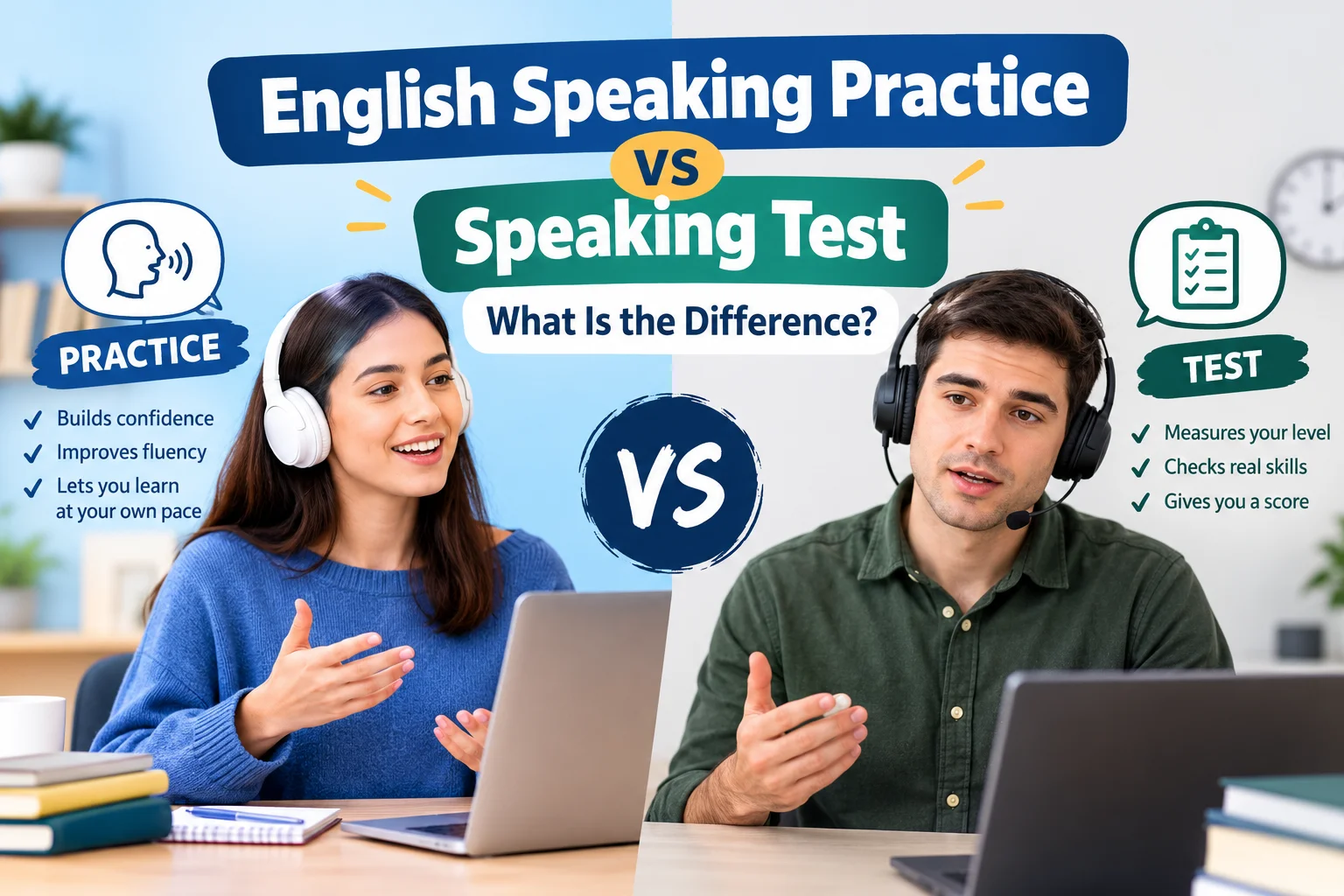
Understand the difference between English speaking practice and a speaking test, when to use each, what scores can and cannot tell you, and how to build a useful practice-to-test routine.

Try practical English speaking exercises you can do by yourself, including descriptions, retelling, role-plays, Q&A, storytelling, pronunciation and vocabulary drills.

Build a practical daily English speaking routine with short exercises, read-aloud practice, retelling, spontaneous questions, and a weekly structure.

Learn how to build an active English speaking vocabulary by turning passive words into usable phrases through retrieval, personal sentences, retelling, and repeated speaking practice.

Learn how to improve English pronunciation through speaking practice with practical drills for sounds, stress, rhythm, word endings, and clearer spoken delivery.

Understand why you can understand English but struggle to speak, and learn practical ways to turn passive knowledge into active speaking.

Learn how to improve English speaking fluency with practical speaking exercises, retelling, useful phrases, repetition, recovery strategies, and a 15-minute routine.

Learn practical ways to reduce mental translation when speaking English, including English-only drills, familiar phrases, descriptions, retelling, and timed practice.

Learn practical ways to improve English speaking confidence, overcome hesitation, practise without pressure, and build a repeatable speaking routine.

Learn practical ways to practise English speaking alone at home, including reading aloud, speaking prompts, descriptions, retelling, recording, and structured practice tools.

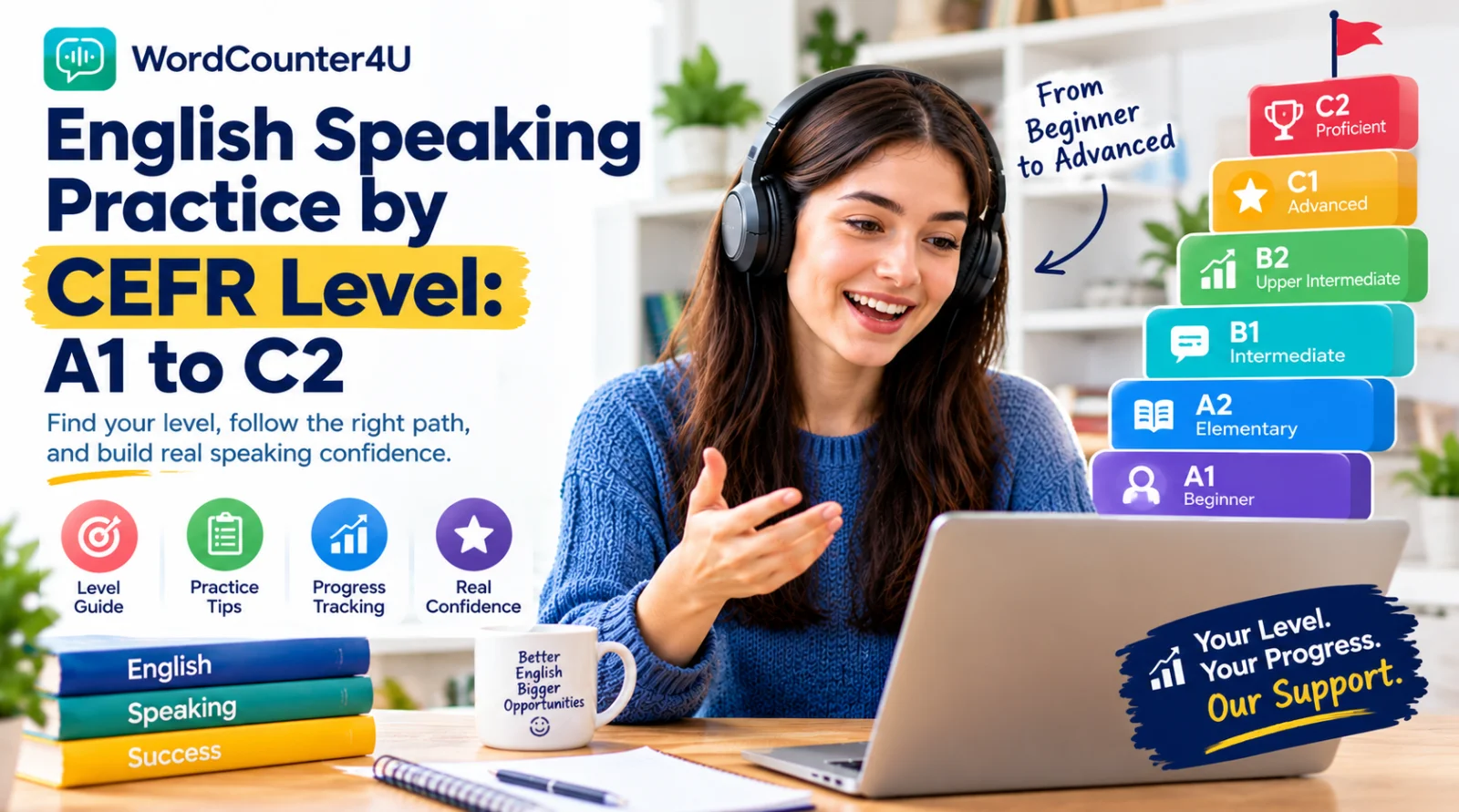
Learn how to match English speaking practice to CEFR levels A1 to C2, with practical goals, examples, routines, and guidance for choosing the right difficulty.

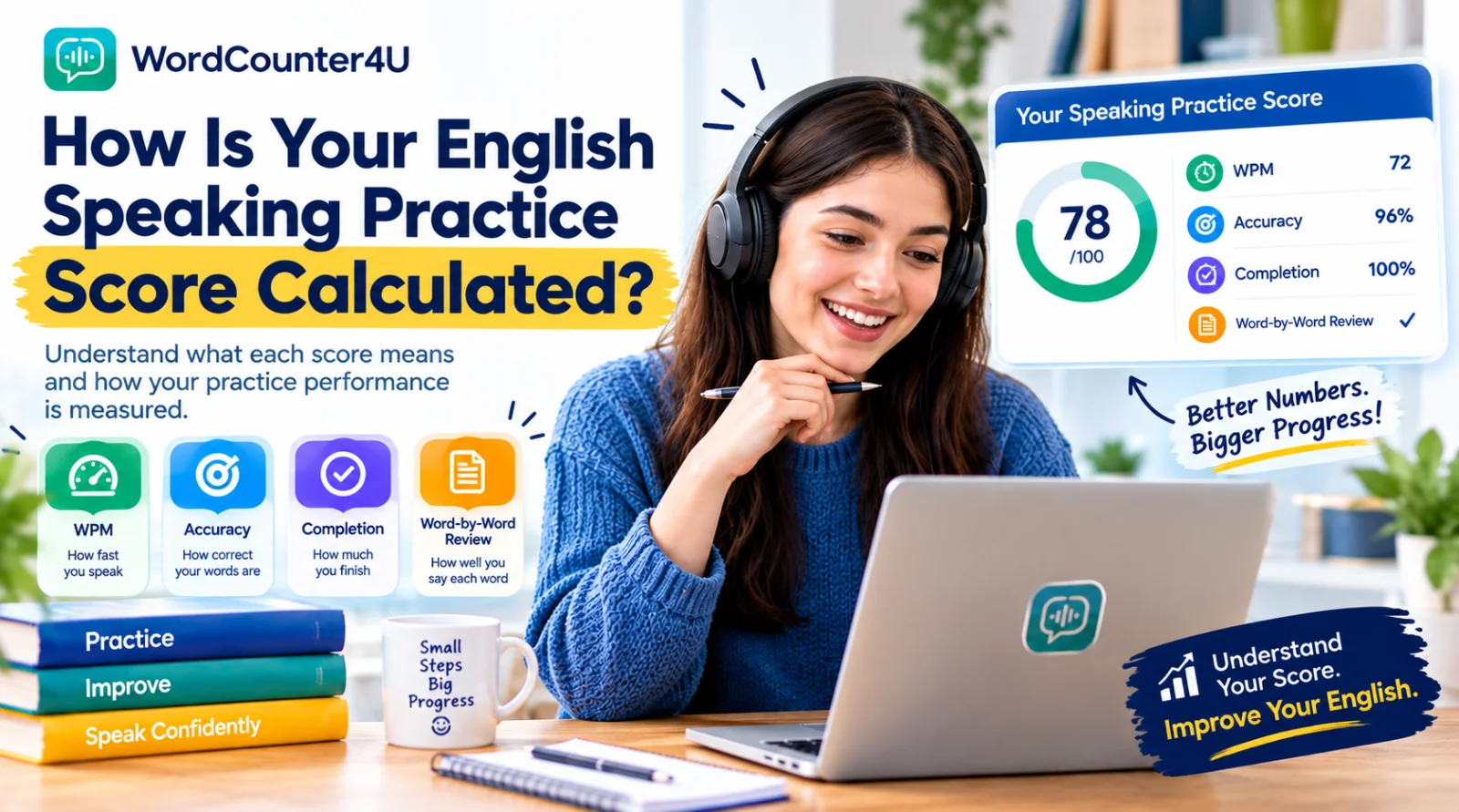
Learn how English speaking practice scores are calculated, including WPM, accuracy, completion, word-level feedback, and how to use your results effectively.

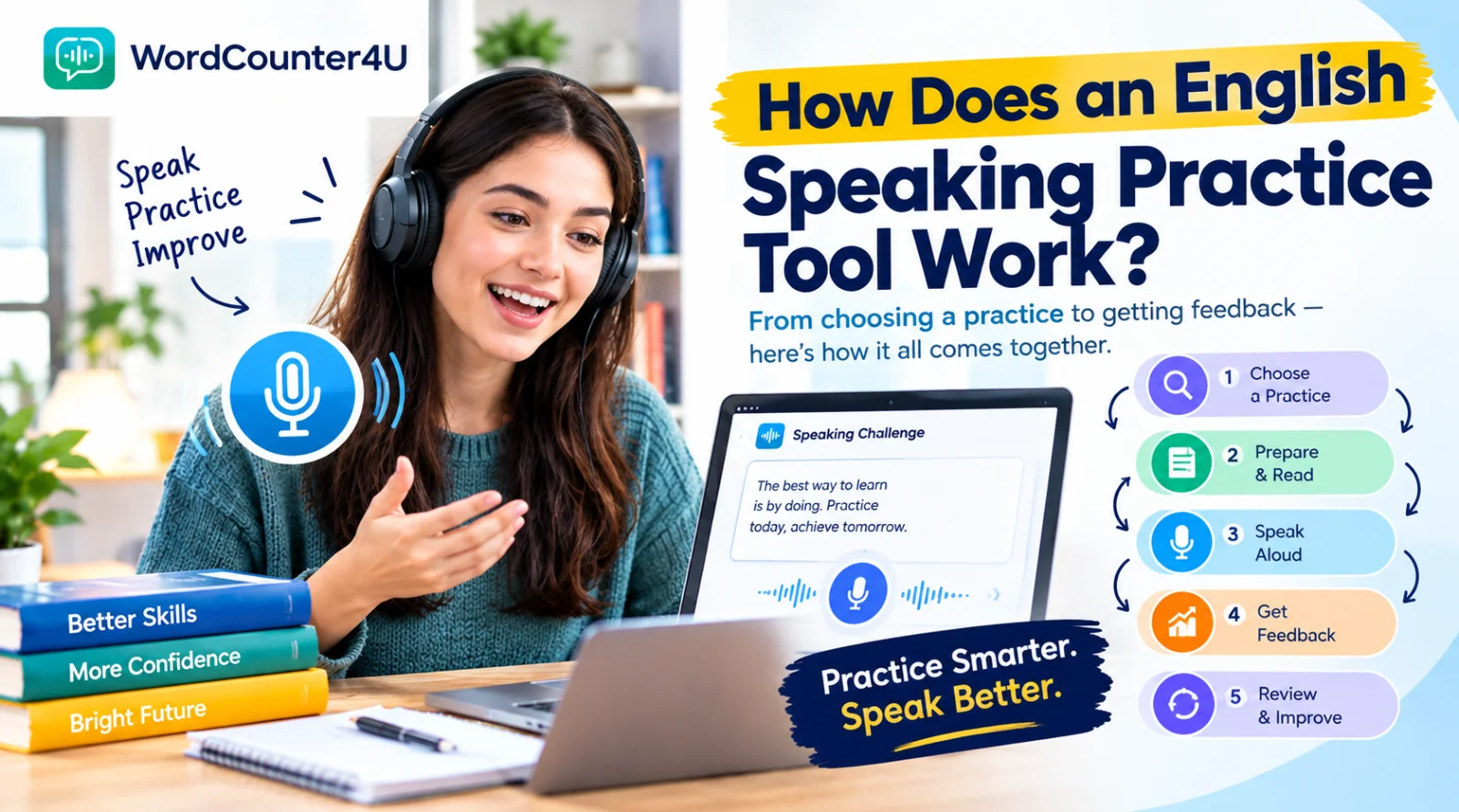
Learn how an English speaking practice tool works, from choosing a speaking exercise and using speech recognition to reviewing WPM, accuracy, completion, and other feedback.

Learn practical ways to practise English speaking online without a partner, including solo speaking exercises, prompts, read-aloud practice, role-plays, and a simple 15-minute routine.

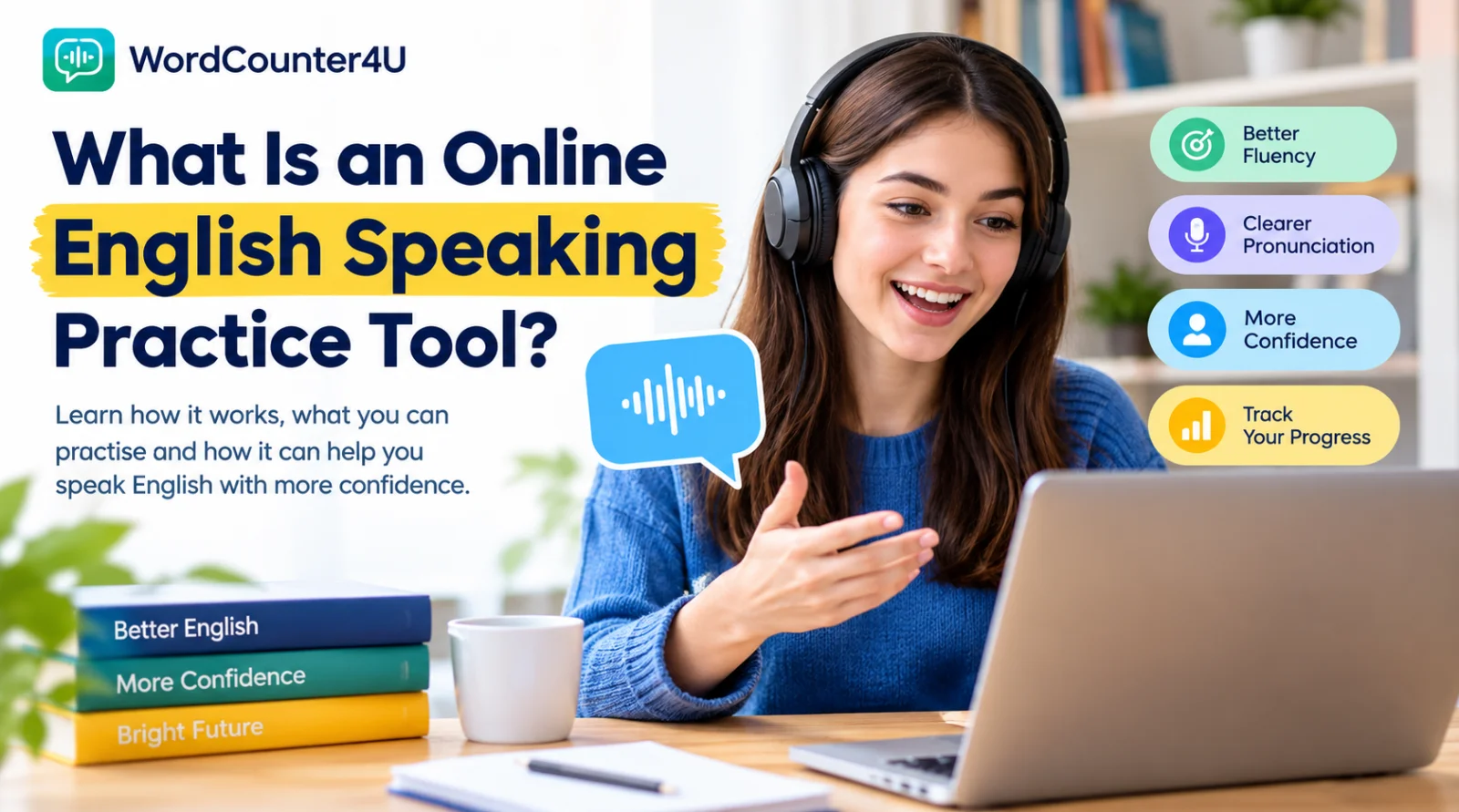
An online English speaking practice tool gives you a structured way to practise speaking without needing a teacher or conversation partner. Learn how these tools work, what you can practise, and how to use one effectively.

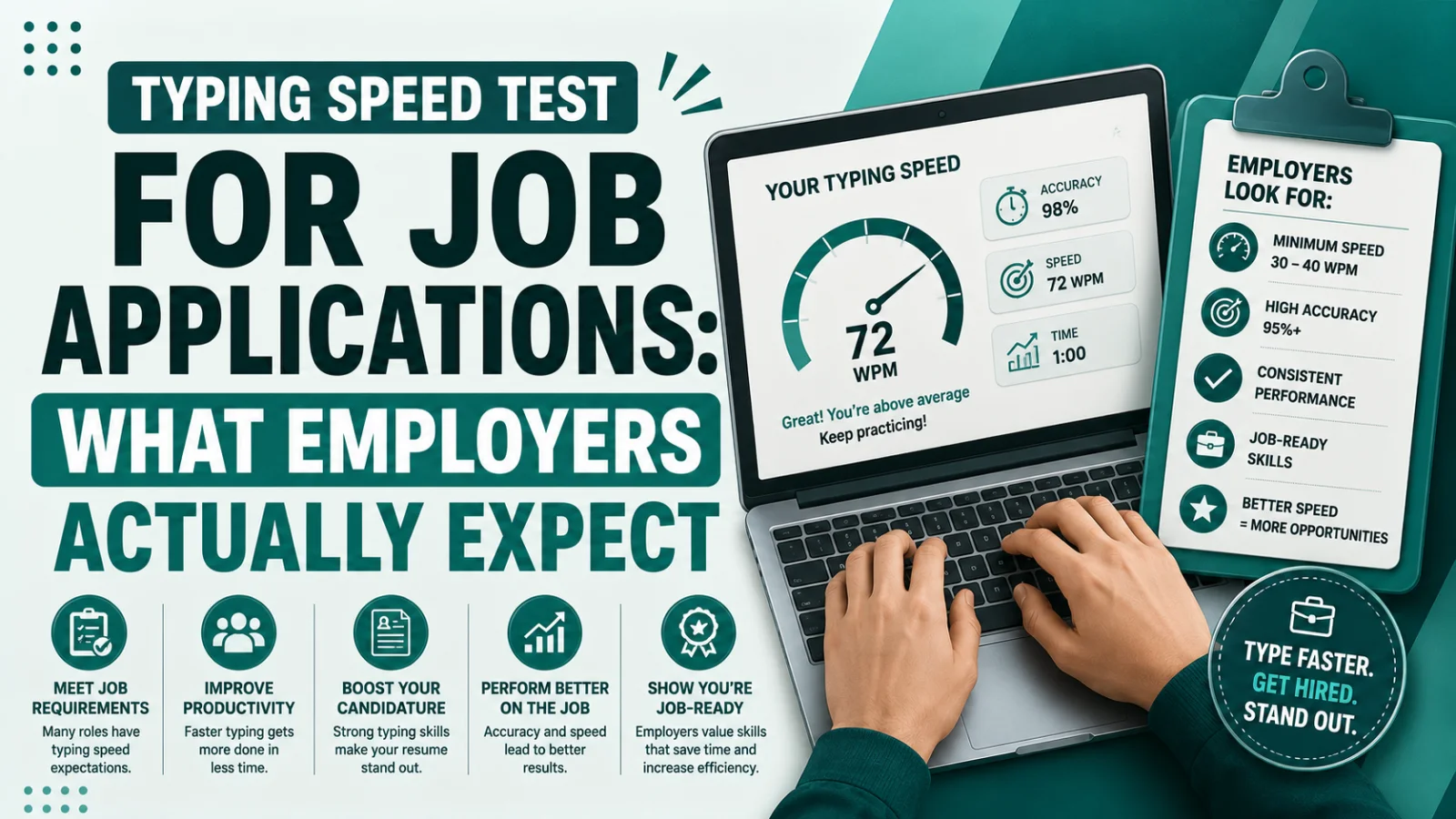
UK employers test typing speed more often than job seekers expect. Here's what data entry and office roles actually require, and how to prepare properly.

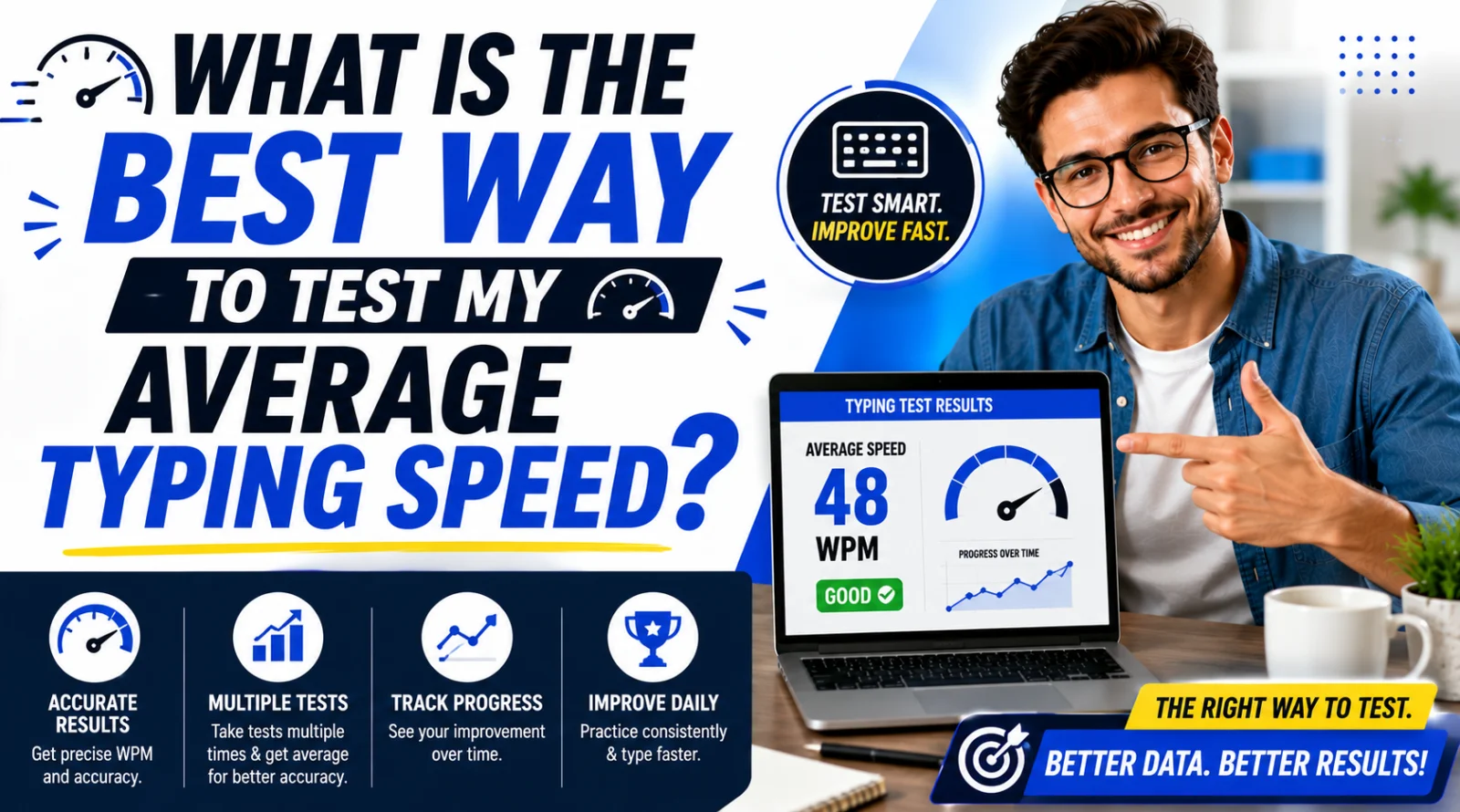
Most people guess their typing speed and get it wrong. Here's how to actually measure it properly, and why the way you test changes the number you get.

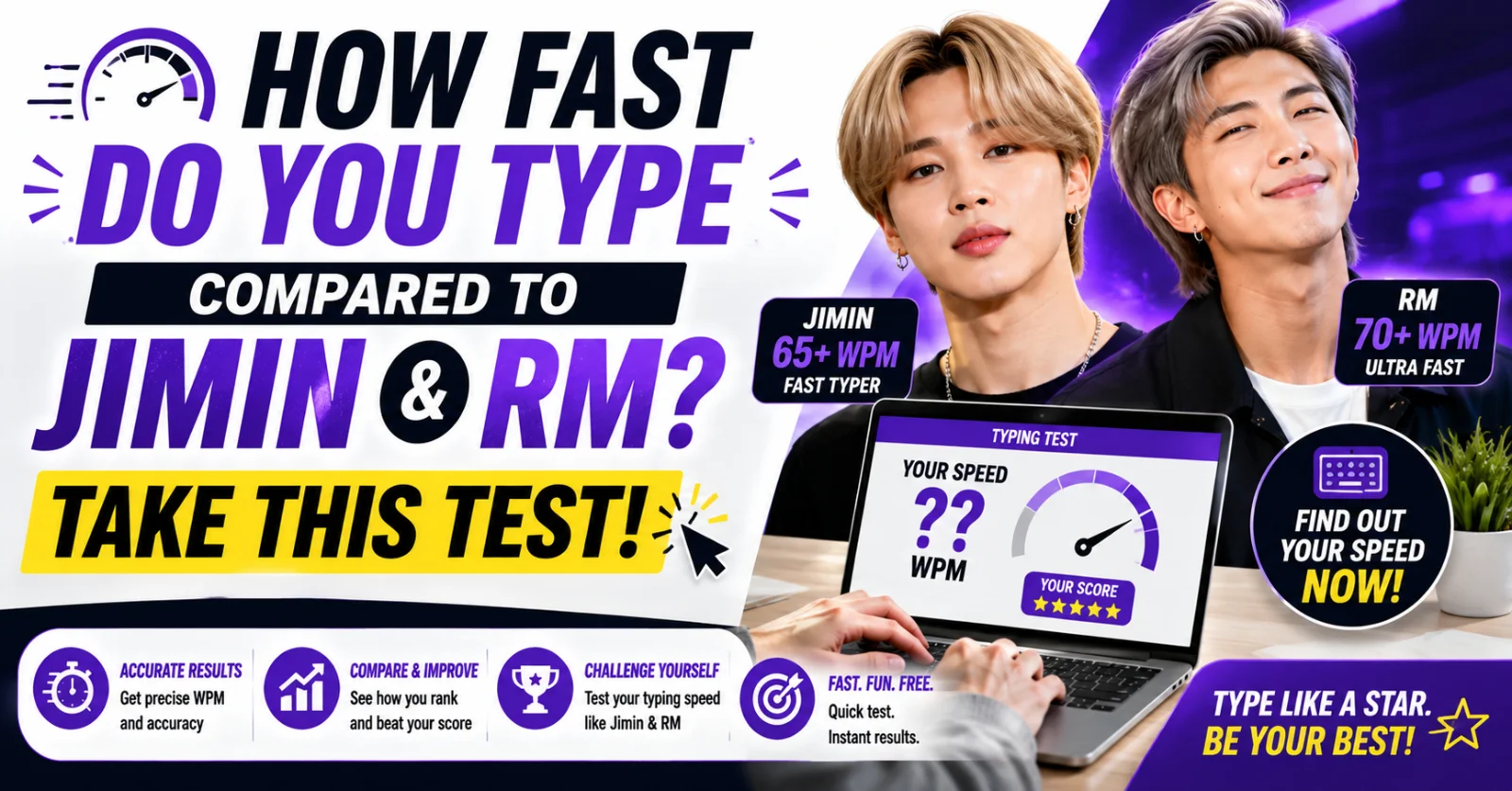
BTS's Jimin and RM once put their typing skills to the test on Run BTS. Here's what actually happened, and how you can test your own speed against theirs.

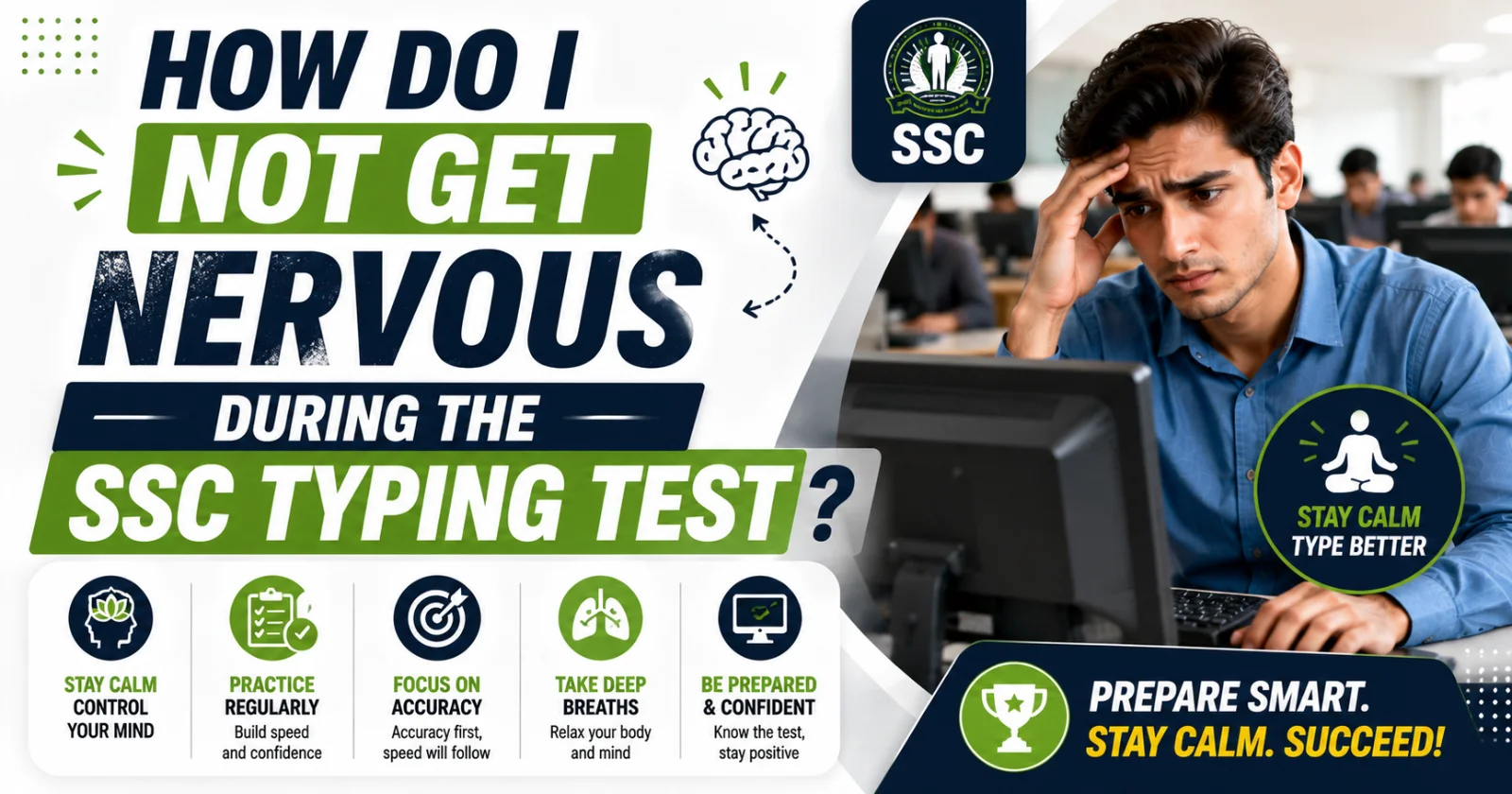
Nerves during the SSC typing test usually come from one thing: not having practiced under real exam conditions. Here's how to fix that before test day.

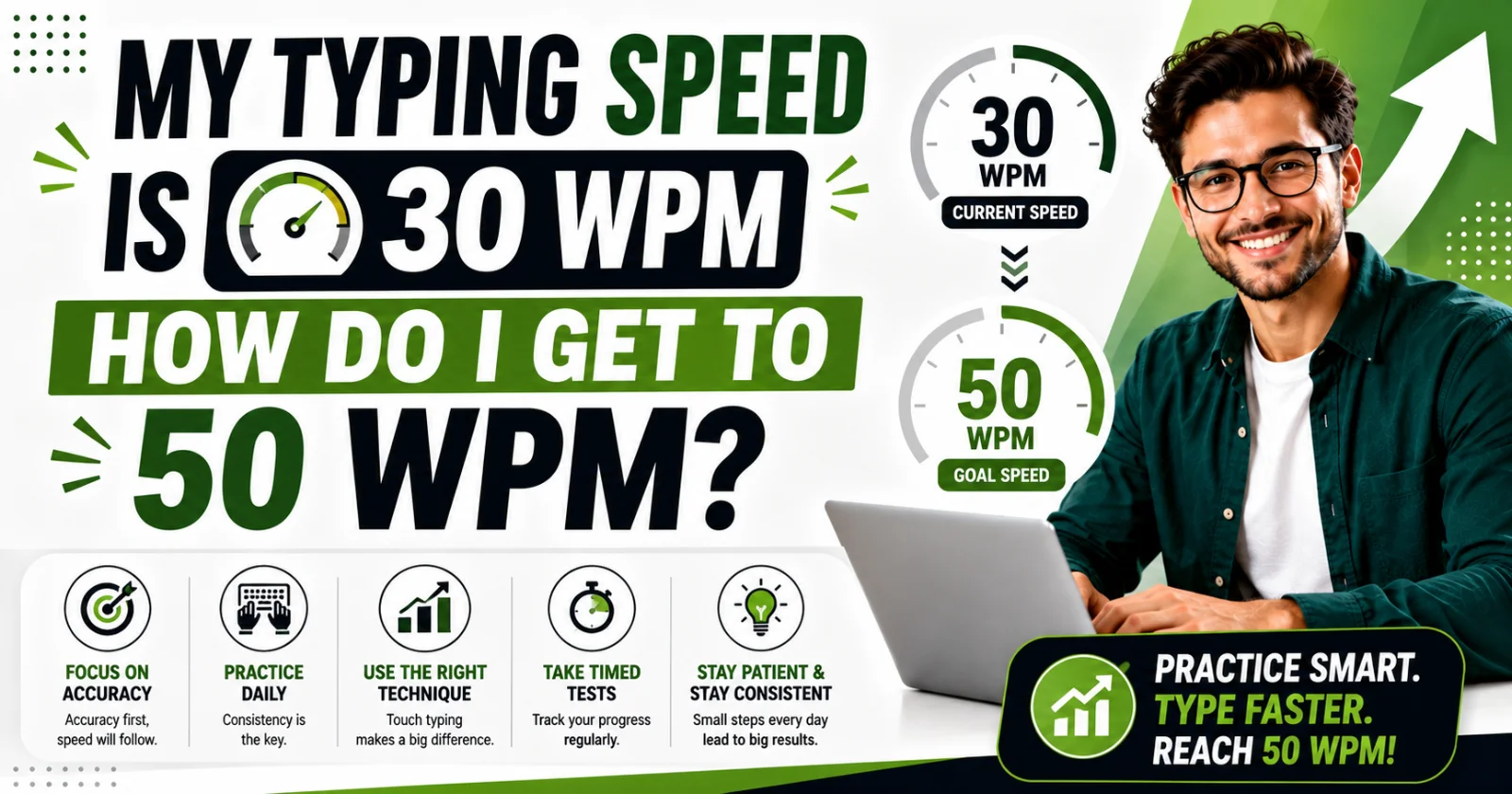
Going from 30 to 50 WPM is a specific, learnable jump — not a vague "practice more" goal. Here's exactly what to work on, in the right order.

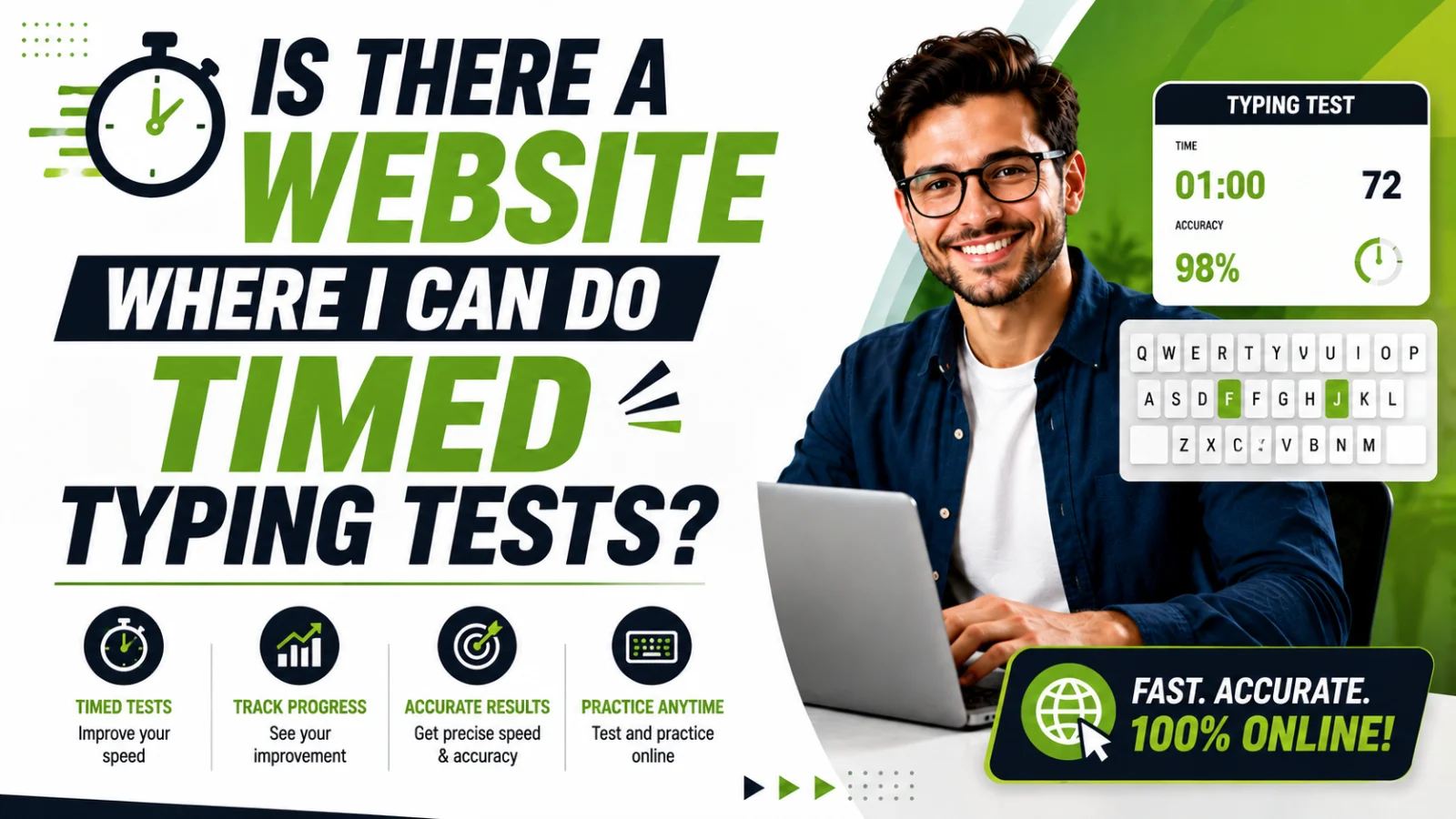
Yes — and there are more options than you'd expect. Here's where to get an honest, timed WPM reading, starting with the fastest, no-frills option.

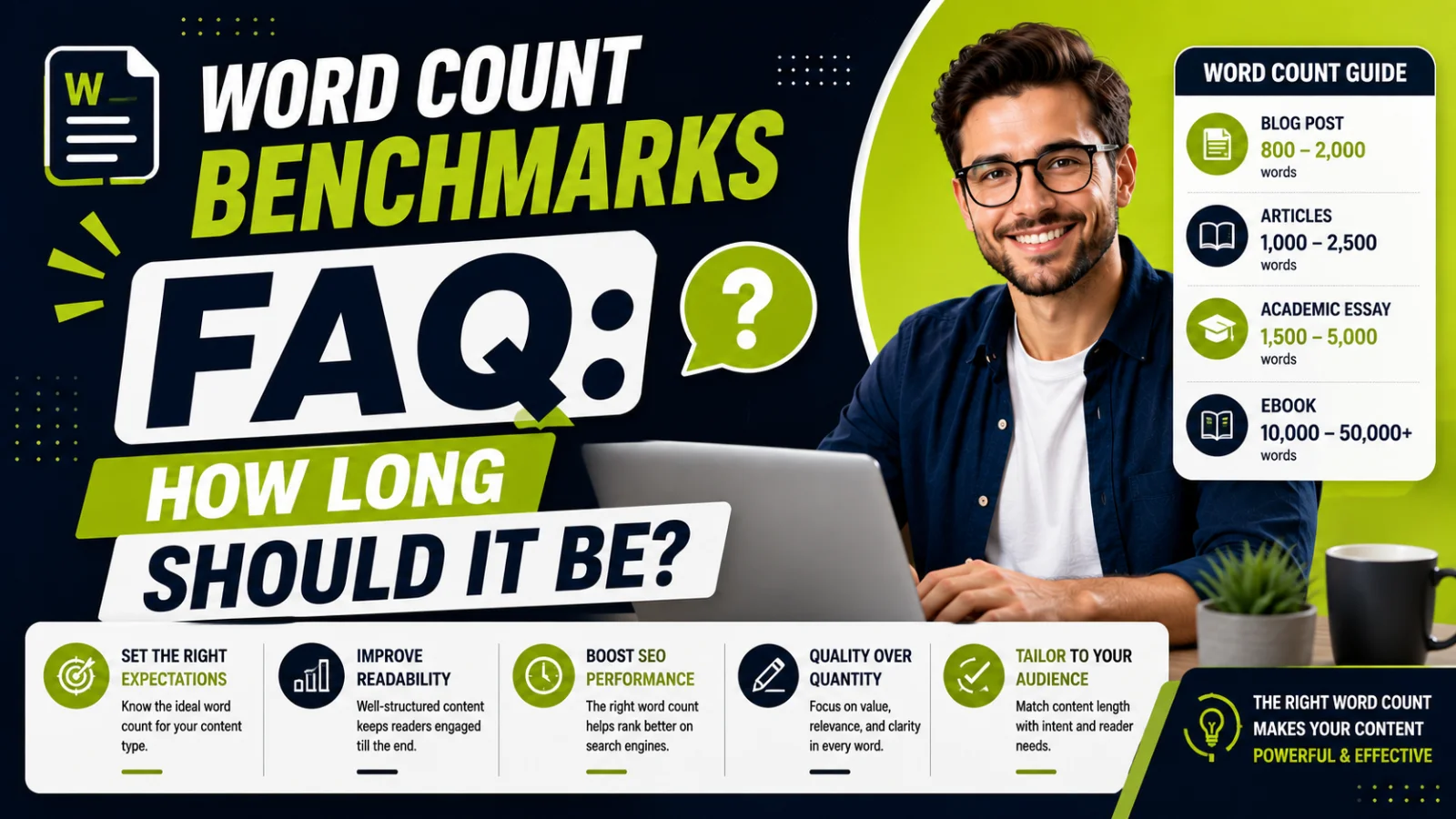
How many words is a blog post, an essay, a 5-page paper, or a 5-minute speech? Quick answers to the most common word count and length questions.

Everything you might wonder about our free word counter — how it works, why counts sometimes differ, and every feature beyond the basic total — answered in one place.

How many words is a novel? How do I check word count in Notion or Scrivener? Does word counting work for Chinese or Arabic? Answered here.

Is 40 WPM good? What about 60? Or 100? Quick answers for specific typing speeds, plus what different jobs actually require.

How does our typing test actually work? Answers on WPM scoring, accuracy, test length, and troubleshooting — all in one place.

Most typists never learn proper finger placement for the number row and symbols — they just reach and hope. Here's the correct mapping, key by key.

Most typists don't have a slow overall speed problem — they have three or four specific keys quietly dragging their average down. Here's how to drill them out.

From meeting someone new to keeping a conversation alive — detailed, ready-to-use conversation starter examples for 15 different situations, all in one place.

From casual hellos to formal greetings, emails, and welcome messages — detailed, ready-to-use greeting examples for 18 different situations, all in one place.

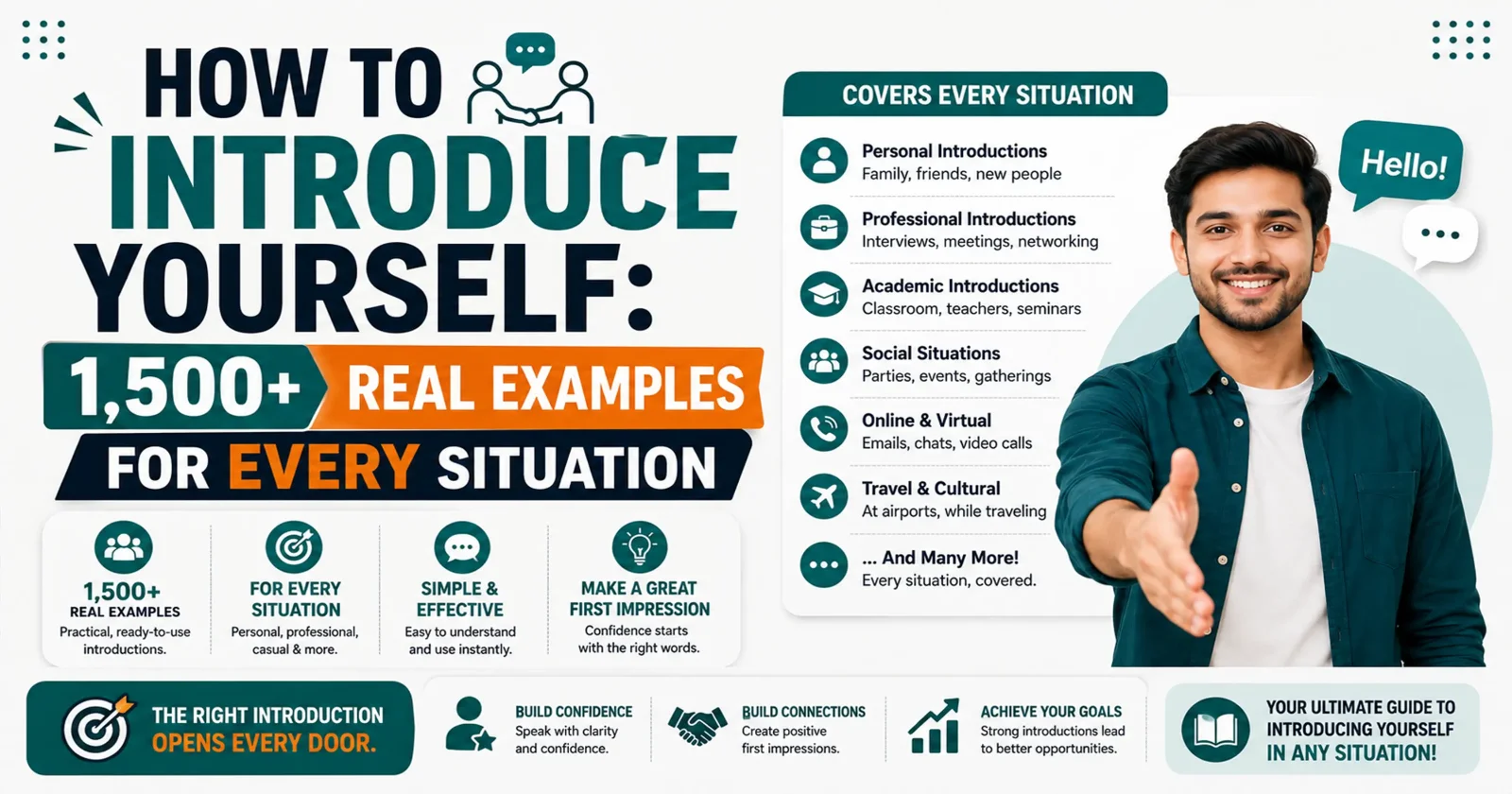
From casual meetups to job interviews, formal meetings, and emails — detailed, ready-to-use example introductions for 15 different situations, all in one place.

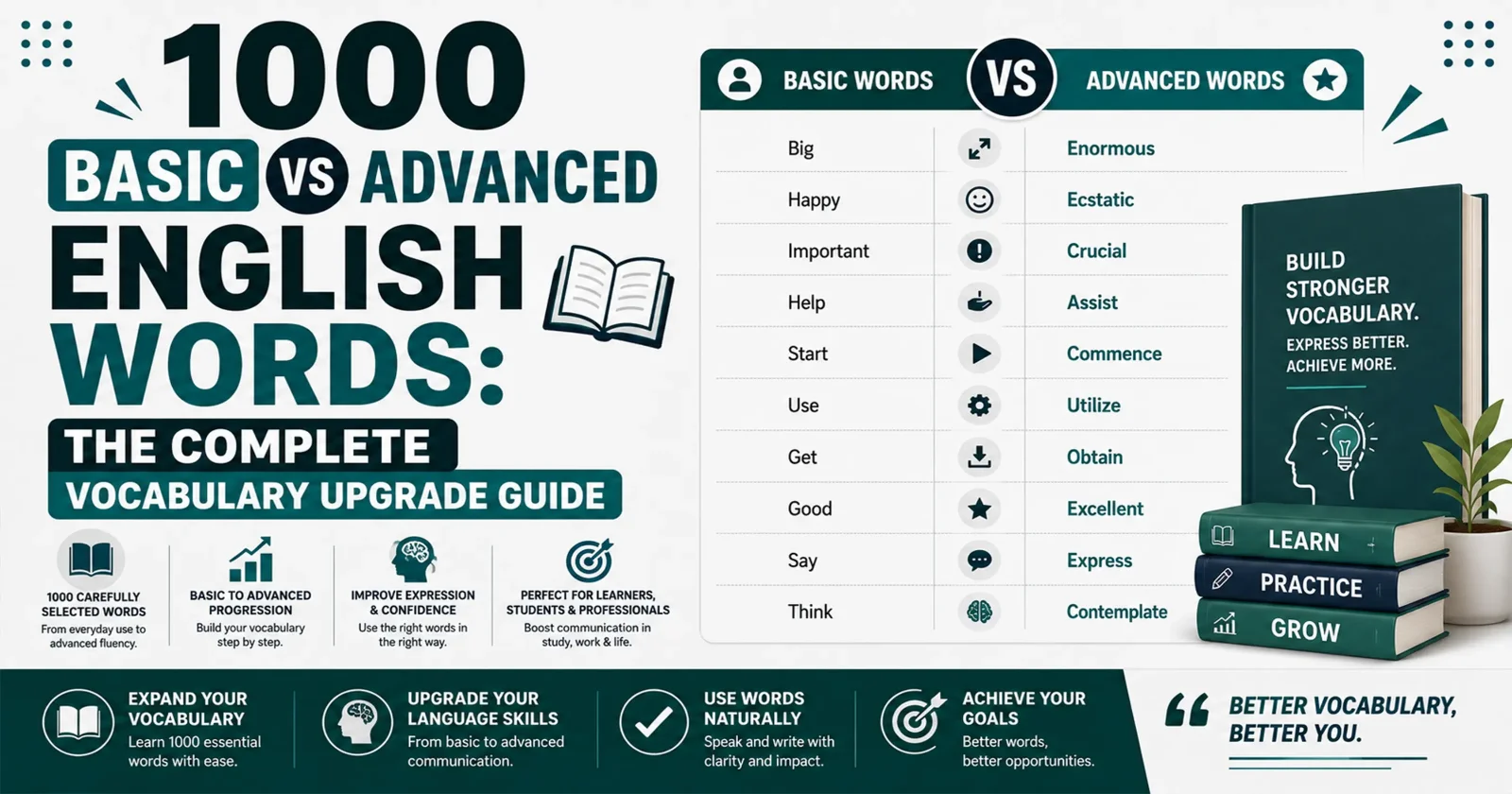
1,000 basic English words upgraded to advanced synonyms — adjectives, verbs, nouns, and adverbs, organized into 42 categories to help you sound more fluent instantly.

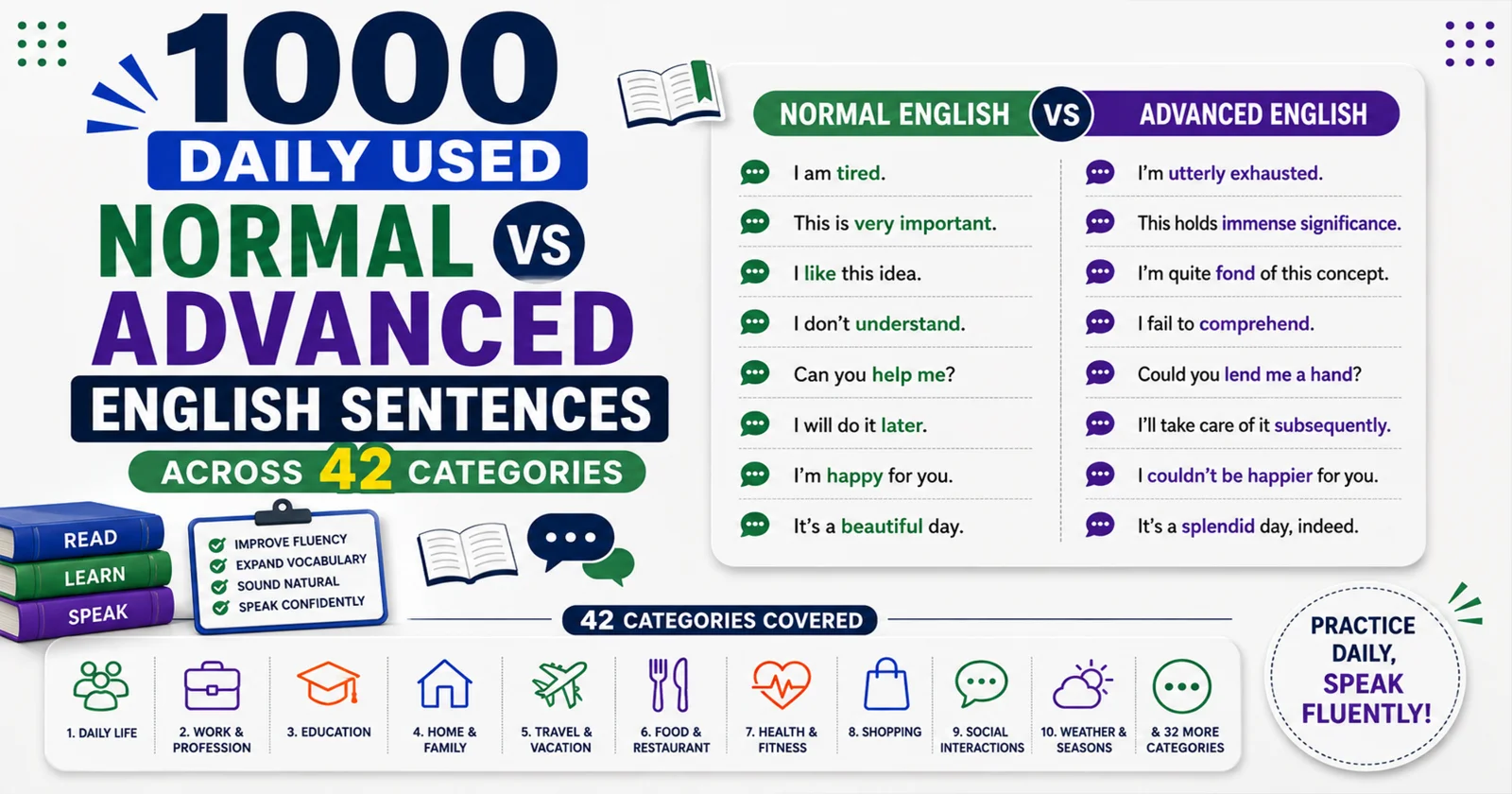
1,000 everyday English sentences, upgraded. See how simple phrases like "I am tired" become natural, fluent English — richer vocabulary, same meaning, organized across 42 real-life categories.

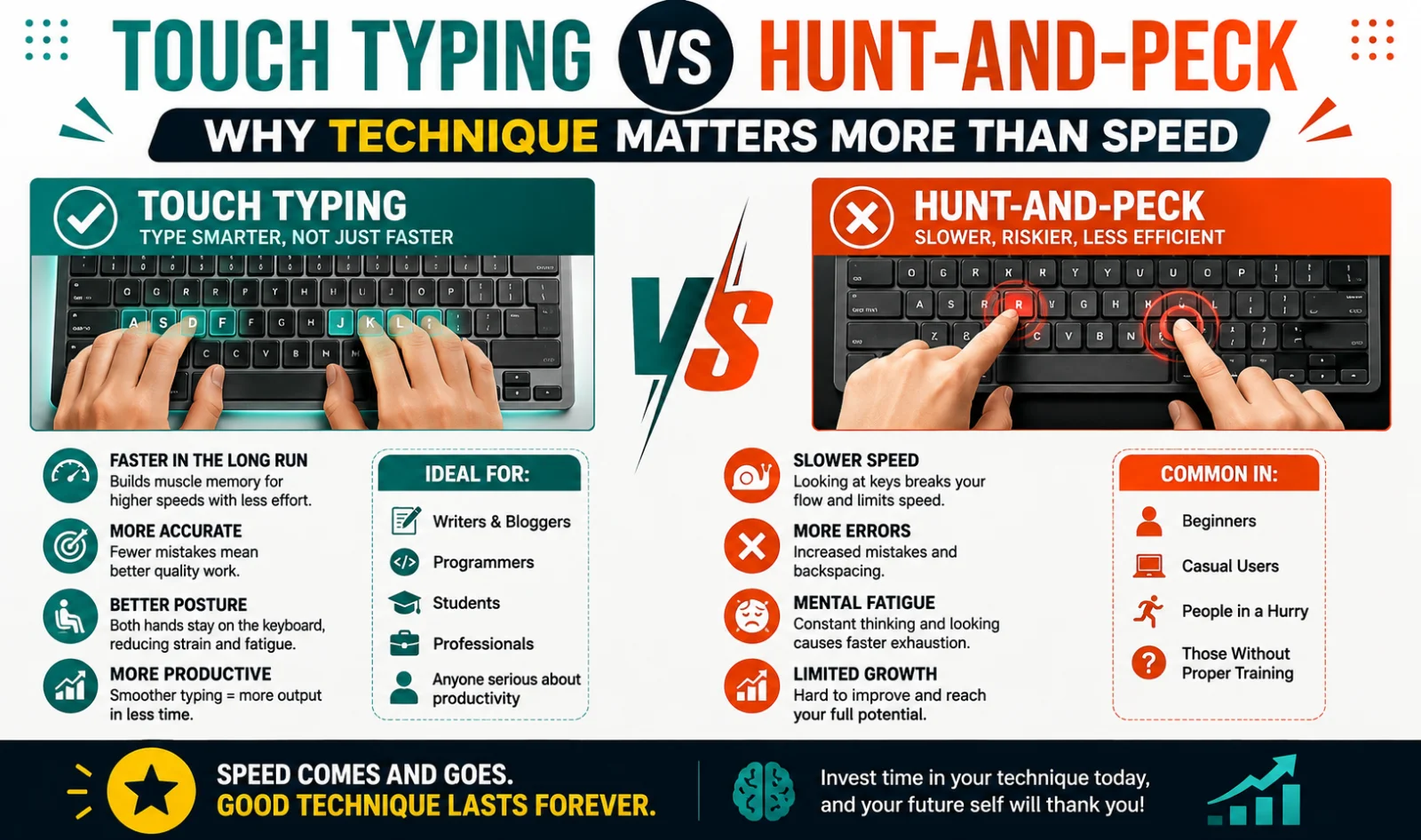
Hunt-and-peck typists average around 27-37 WPM. Touch typists average 40-70+. Here's why the two methods diverge so much, and how to actually make the switch.

60 WPM required" rarely means what it looks like. Here's how employer typing tests actually score you, what counts as passing by role, and how to prepare.

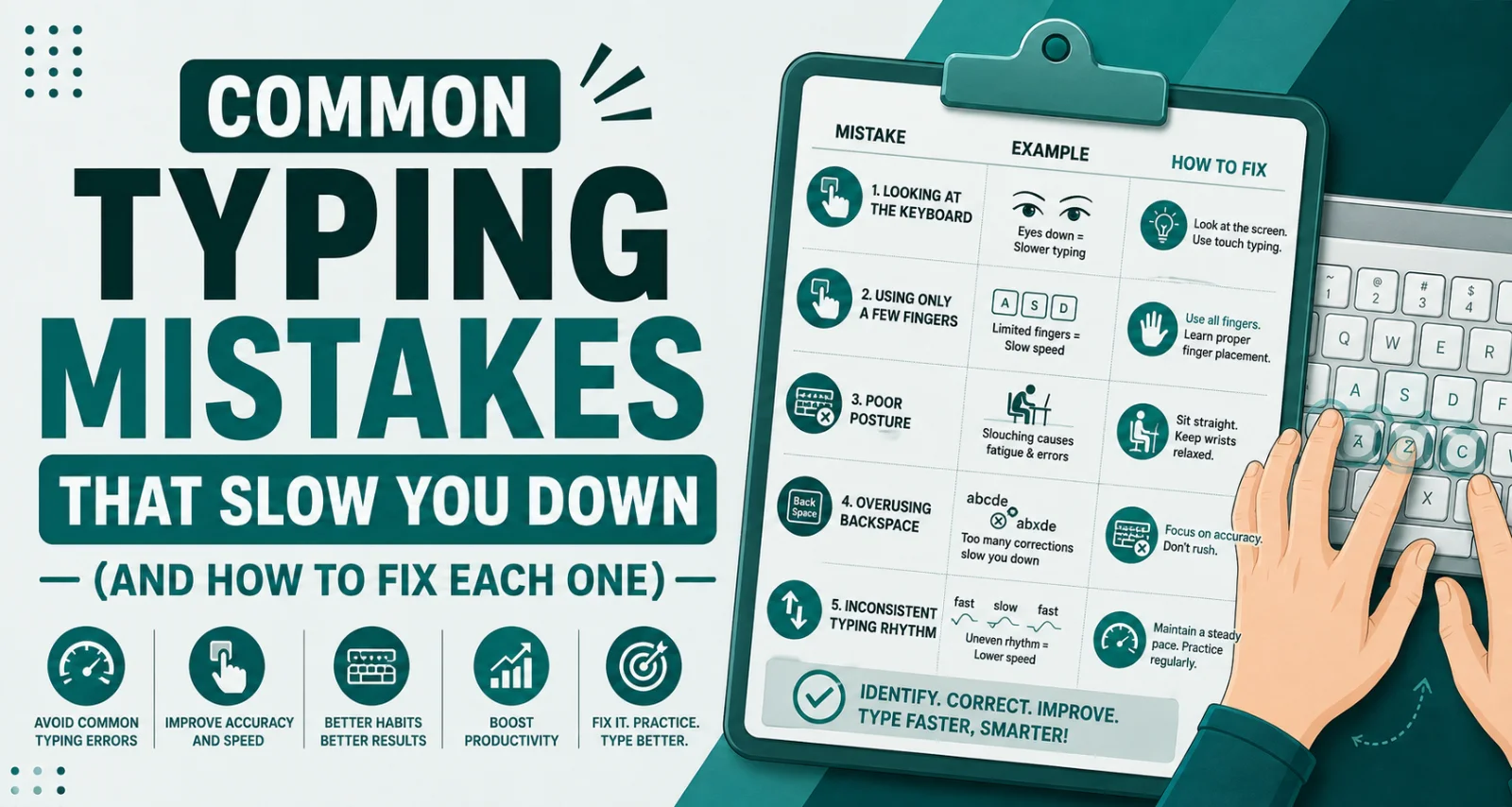
Most slow typing isn't a speed problem — it's a handful of specific habits quietly capping your WPM. Here are the most common ones, and exactly how to fix each.

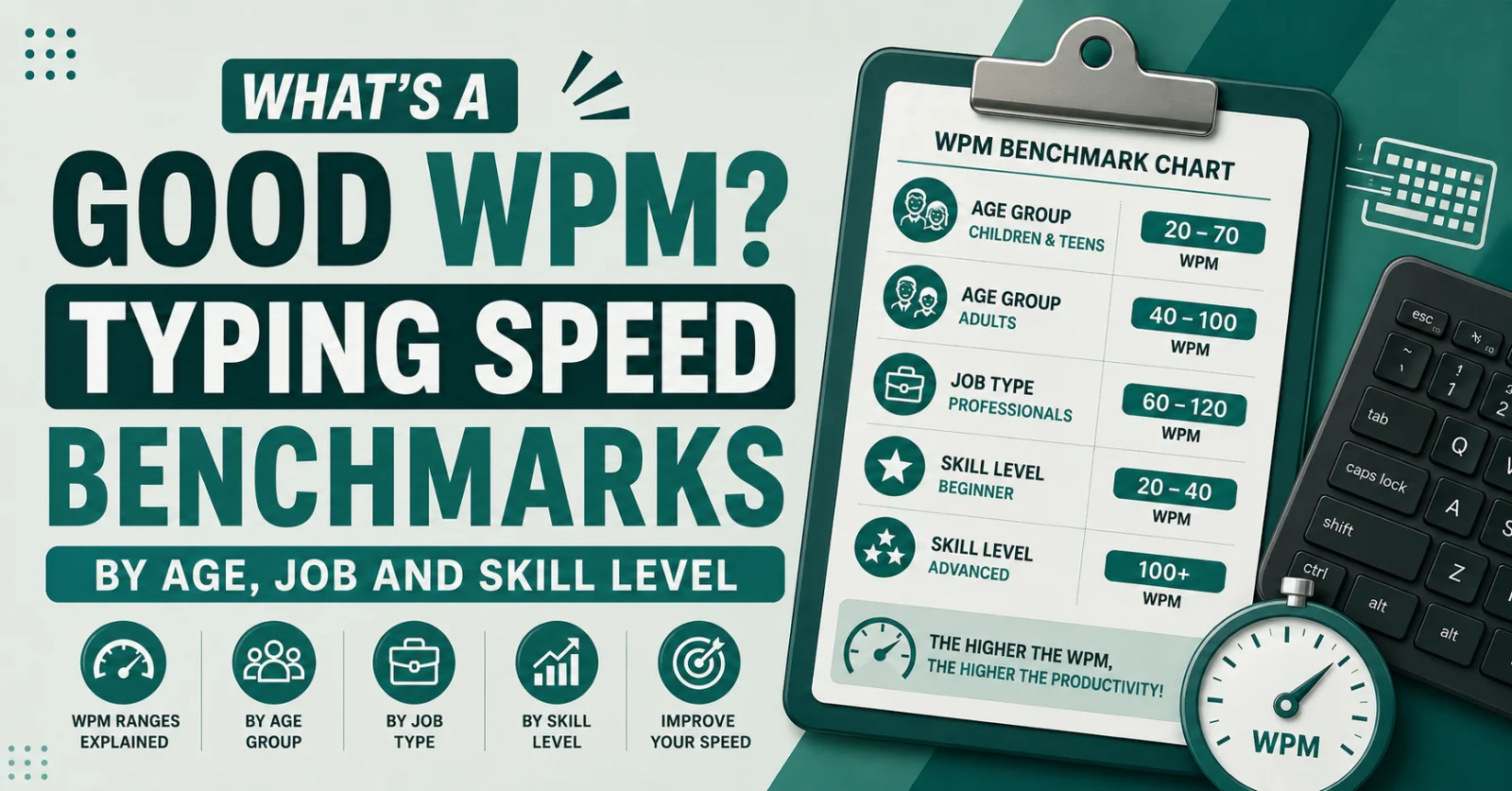
Is 40 WPM good or slow? It depends on your age, your job, and how long you've been typing. Here are the real benchmarks, broken down by group — plus how the world record compares.

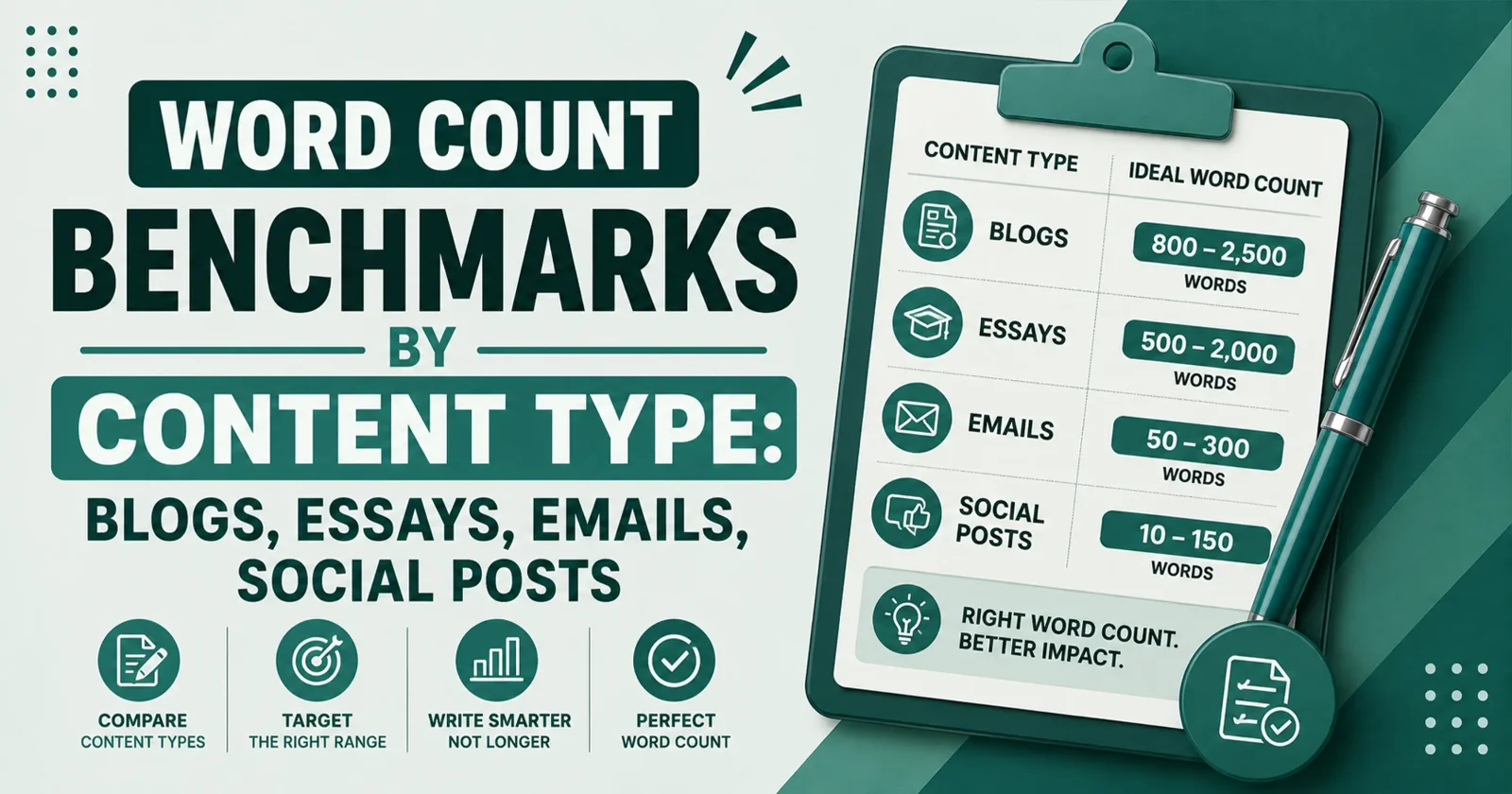
There's no single "right" word count — a blog post, an essay, an email, and a social caption all have different ideal lengths. Here are the real benchmarks for each, and why.

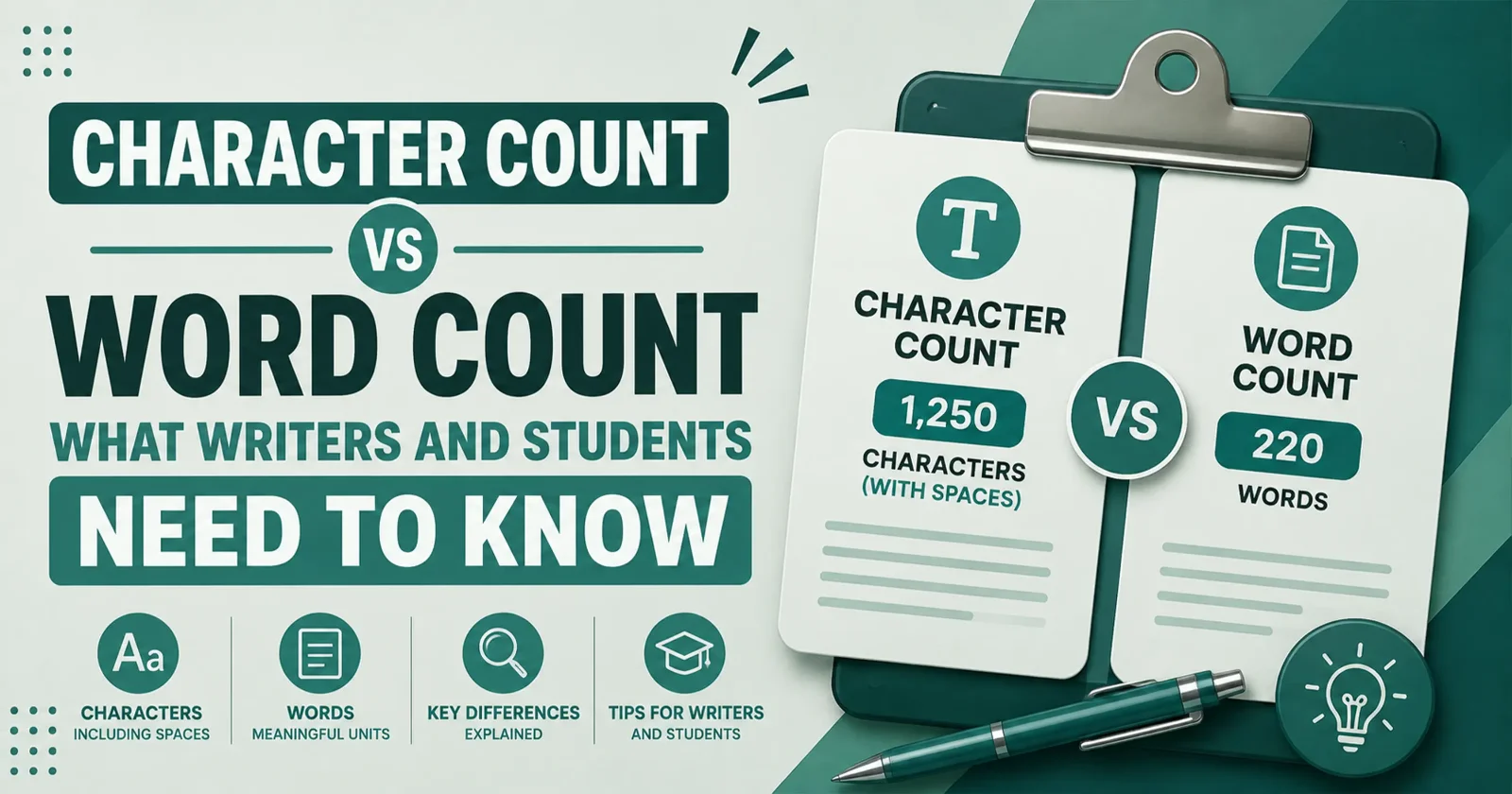
Word count and character count aren't the same measurement, and mixing them up can get an essay rejected or a post cut off mid-sentence. Here's exactly when each one applies.

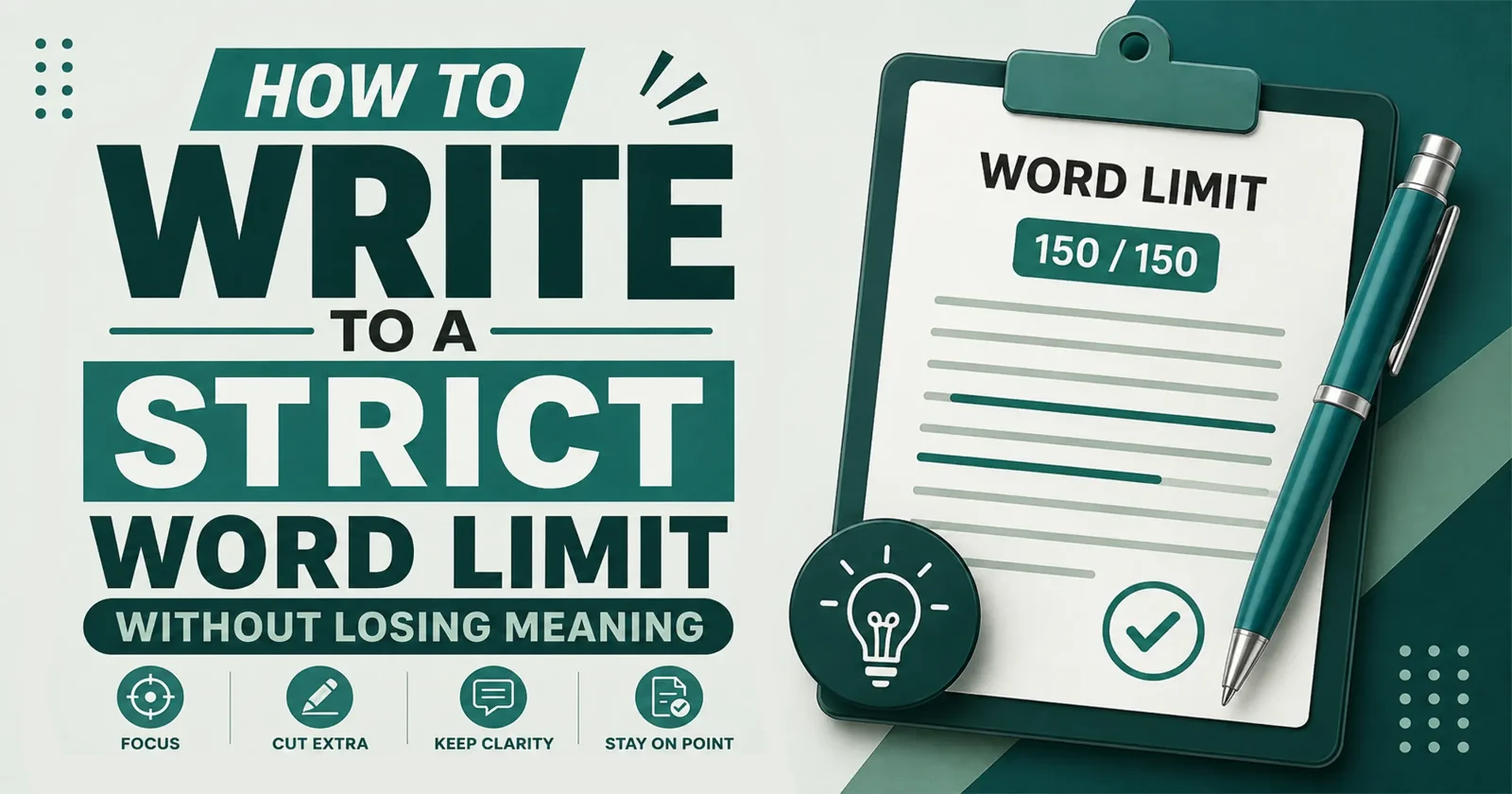
Hitting an exact word limit shouldn't mean cutting your best ideas. Here's a practical process for trimming text down to size — plus the tools that make counting effortless.
A practical speaking-rate guide: how many words fit into 1, 3, 5, 10 and 20 minutes, why the honest answer is a range, and how to time a talk before you are on stage.
Target lengths that actually hold up in practice — from a 500-word college essay to a 2,000-word pillar post — plus what to do when you are 20 per cent over the limit.
How keyword density is calculated, why the 'ideal percentage' advice is mostly folklore, and how to use density as a diagnostic rather than a target.
Sentence length, passive voice and word choice are the three levers that move readability most — here is how each one works and how to fix them without flattening your style.
Accuracy first, speed second. A day-by-day plan that takes most people from hunt-and-peck or 40 wpm to comfortable touch typing, and the mistakes that stall progress.